|
|
|
|
|
|
|
|
 |
 |
 |
 |
 |
 |
 |
 |
 |
 |
 |
 |
 |
 |
|
| |||||||||||||||||||||||||||||||||||||
| ||||||||||||||||||||||||||||
| The Aircraft : | |
| Name | Info |
| Spitfire | Royal Air Force fighter aircraft, maximum speed for mark I Supermarine Spitfire, 362mph up to The Seafire 47 with a top speed of 452mph. maximum ceiling for Mk I 34,000feet up to 44,500 for the mark XIV. Maximum range for MK I 575 miles . up to 1475 miles for the Seafire 47. Armament for the various Marks of Spitfire. for MK I, and II . eight fixed .303 browning Machine guns, for MKs V-IX and XVI two 20mm Hispano cannons and four .303 browning machine guns. and on later Marks, six to eight Rockets under the wings or a maximum bomb load of 1,000 lbs. Designed by R J Mitchell, The proto type Spitfire first flew on the 5th March 1936. and entered service with the Royal Air Force in August 1938, with 19 squadron based and RAF Duxford. by the outbreak of World war two, there were twelve squadrons with a total of 187 spitfires, with another 83 in store. Between 1939 and 1945, a large variety of modifications and developments produced a variety of MK,s from I to XVI. The mark II came into service in late 1940, and in March 1941, the Mk,V came into service. To counter the Improvements in fighters of the Luftwaffe especially the FW190, the MK,XII was introduced with its Griffin engine. The Fleet Air Arm used the Mk,I and II and were named Seafires. By the end of production in 1948 a total of 20,351 spitfires had been made and 2408 Seafires. The most produced variant was the Spitfire Mark V, with a total of 6479 spitfires produced. The Royal Air Force kept Spitfires in front line use until April 1954. |
| Artist Details : John Young |
| Click here for a full list of all artwork by John Young |
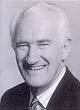 John Young John Young was born in Bristol, England in 1930. His love affair with aviation began after a visit to Sir Alan Cobham's National Aviation Day air show in a farmer's pasture near his home in Chesham. Watching Eighth Air Force B-17s and B-24s operate out of nearby Bovingdon during WWII further fueled Young's interest in aviation and helped develop his historic interest in aviation. Young has painted professionally since 1950. In 1960, after having established a career in illustration for many aviation manufacturers, airlines, air forces, and publishers, Young went freelance to further develop his talents and move towards the world of fine art. Young's work has exhibited in the inaugural and subsequent exhibitions of the Society of Aviation Artists, now known as the Guild of Aviation Artists. Forty-five of Young's original paintings are displayed in the R.A.F. Museum in Hendon and countless others are in private and corporate collections in the U.S. and England. John Young's stature as an aviation artist is unrivalled. He was awarded the Guild Medal of Aviation Artists in 1983, and has in addition won many other prizes. From 1987, John served a term as Chairman of the Guild of Aviation Artists and he is still an active Committee member. Born in 1930, John has painted since 1950, gaining his technical knowledge during service in the Royal Air Force. His work combines a truthful representation of technical subjects with sensitivity to the many moods of sky and land. But it is in his remarkable ability to tell a story through his work that his greatest talent lies. A widely acclaimed book has been published featuring his internationally collected work, and over the years he has established himself as one of the most admired and valued aviation and transport artists in the world. More about John Young |
|
Contact Details |
|
Sign Up To Our Newsletter!
This website is owned by Cranston Fine Arts. Torwood House, Torwoodhill Road, Rhu, Helensburgh, Scotland, G848LE Contact: Tel: (+44) (0) 1436 820269. Email: cranstonorders -at- outlook.com |
 |


